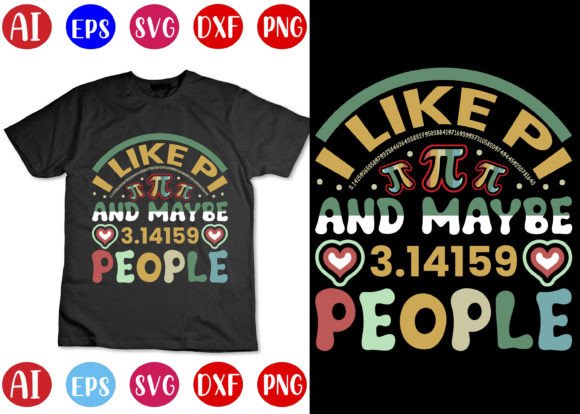
Review: Happy Pi Day T-Shirt Design Vector for Stitchers
As a designer who spends half my life digitizing and the other half stitching, I have learned that not every graphic translates well to thread. We often see T-Shirt Designs that look crisp on a screen but turn into a tangled mess under the needle. That is why I took a close, practical look at the Happy Pi Day T-Shirt Design Vector. This isn’t just about whether it looks cute; it is about whether it holds up in a real-world embroidery project. Whether you are an Etsy seller preparing for the March rush or a hobbyist making a personalized gift for a math-loving friend, understanding how this design behaves is crucial before you hit "start" on your machine.
First Impressions: Mood and Visual Personality
The first thing that strikes me about the Happy Pi Day T-Shirt Design Vector is its playful yet clean aesthetic. It captures the whimsical spirit of Pi Day without relying on overly complex mathematical symbols that can be nightmares to stitch. The layout feels balanced, with a visual personality that suggests fun and intelligence. For Graphics intended for apparel, this balance is vital. If a design is too busy, it loses impact from a distance. If it is too sparse, it can look cheap. This design sits in a sweet spot, offering enough detail to be interesting but maintaining clear shapes that are friendly to embroidery hoops.
The theme naturally lends itself to educational settings, science clubs, or just anyone who appreciates a good nerd joke. When I visualize this stitched out, I see it working beautifully on casual wear. It does not scream "corporate logo," which gives it a warm, approachable feel. This makes it an excellent candidate for custom apparel where the goal is connection and humor rather than stiff branding.
Real-World Application: From Screen to Fabric
Let’s talk about where this design actually shines. I recently considered using a similar concept for a batch of tote bag design prototypes for a local bookstore’s math section. The Happy Pi Day T-Shirt Design Vector would perform exceptionally well here. Tote bags usually feature heavier canvas fabrics, which provide a stable base for stitching. The design’s structure allows for solid fill stitch areas that pop against the textured background of the canvas.
Beyond totes, think about sweatshirt embroidery. A fleece or cotton-blend sweatshirt provides a plush backdrop that can handle moderate stitch density. Placing this design on the left chest or as a larger back print creates a high-value handmade product. Customers love items that feel specific to their interests, and a well-executed Pi Day design turns a generic sweatshirt into a statement piece. It also works wonderfully for baby embroidery projects, such as onesies for toddlers showing early signs of curiosity, provided you scale it down appropriately and simplify any tiny details.
For holiday embroidery calendars, March 14th is a niche but passionate market. Having a ready-to-stitch asset like this saves hours of digitizing time. You can quickly produce small shop product lines, including aprons for science teachers or kitchen towels for baking enthusiasts who love the pi/pie pun. The versatility of the vector format means you can adjust the size to fit various hoop size constraints, from small 4x4 hoops for patches to larger 5x7 or 6x10 hoops for full-front shirt designs.
Technical Considerations for Embroiderers
While the design is described as "easy to modify," we must approach it with a technician’s eye. Since the source material is a vector, you will likely need to digitize it or use auto-digitizing software if a native machine embroidery design file is not explicitly provided in the download package. Always check the included files. If you are working from the vector, pay close attention to stitch density. Vector lines do not have inherent stitch types. You must decide where to use satin stitch for borders and text, and where to use fill stitch for larger shapes.
One critical area to watch is small lettering. Pi Day designs often include numbers or small text. If the original vector has very thin lines or tiny font sizes, these may not survive the stitching process. Thread has thickness; it cannot replicate a hairline vector stroke. I recommend testing the design on scrap fabric first. Check if the text remains legible after stitching. If not, you may need to thicken the lines in your editing software or switch to a simpler font style for the embroidered version.
Fabric choice matters immensely. On stretchy fabrics like jersey t-shirts, a dense design can cause puckering. Always use a proper stabilizer. For light-colored fabrics, a cut-away stabilizer offers the best long-term durability. For dark fabrics, consider how your thread colors contrast. A white or bright yellow thread will stand out sharply against navy or black, enhancing the design’s visibility. However, avoid using too many color changes if you are producing in bulk, as this increases production time and the risk of thread breaks.
Navigating Challenges: Curves and Textures
Not every surface is flat. If you plan to use this design on curved surfaces like caps or hats, you need to be cautious. Caps have limited space and a curved geometry that distorts designs if they are too wide. The Happy Pi Day T-Shirt Design Vector should be scaled down significantly for headwear. Additionally, avoid placing heavy fill stitches on the front panels of caps unless you are using stiff buckram, as the weight can pull the fabric out of shape.
Textured fabrics present another challenge. If you are stitching on a waffle-knit towel or a rough linen, fine details can get lost in the fabric’s texture. In these cases, bold outlines and higher contrast thread colors help maintain clarity. Avoid intricate applique design techniques unless the vector is specifically set up for them, as layering fabric adds bulk that might not suit all garments.
Commercial Value and Brand Consistency
For commercial embroidery professionals and craft business owners, consistency is key. Using a high-quality base design like this helps maintain a professional look across your product line. When customers see clean, well-stitched designs, their trust in your brand grows. This design can serve as a cornerstone for a seasonal collection. Pair it with complementary items like notebooks or mugs in your printable mockup previews to create a cohesive marketing campaign.
Remember, the perceived value of a finished product is heavily influenced by the quality of the embroidery. A sloppy stitch-out devalues even the cutest design. Take the time to refine your digitizing settings. Check for jump stitches, trim loose threads, and ensure the tension is balanced. These small touches elevate a simple embroidered patch or shirt into a premium item that customers are happy to pay for.
Final Verdict and Practical Tips
The Happy Pi Day T-Shirt Design Vector is a solid asset for your library of design assets. It offers flexibility and thematic relevance for a specific, engaged audience. However, success depends on your execution. Before launching a full production run, create a prototype. Test it on the actual fabric you intend to sell. Verify that the digital embroidery file or your digitized version respects the limits of your machine and hoop.
Check the licensing terms carefully. The description mentions you can use it for your project, but always confirm if commercial resale of the physical item is permitted or if there are restrictions on selling the digital file itself. Most designers allow sale of finished physical goods but prohibit redistribution of the digital file. Clarifying this protects your small shop product line from legal issues.
In summary, this design is a winner for those who take the time to adapt it properly. It brings joy, celebrates a fun holiday, and offers great potential for creative expression. Just remember: respect the thread, choose the right stabilizer, and always test before you invest. Happy stitching!