Coffee Rhinestone Design: A Designer’s Practical Review
As an embroidery designer who has spent years digitizing patterns and testing them on everything from stiff canvas to delicate jersey, I approach every new machine embroidery design with a mix of curiosity and skepticism. We have all been there: you download a file that looks stunning in the preview image, only to find it puckers the fabric or loses its charm once the needle hits the cloth. Today, I am taking a close look at the Coffee Rhinestone Design, evaluating it not just as a digital asset, but as a viable component for real-world embroidery projects.
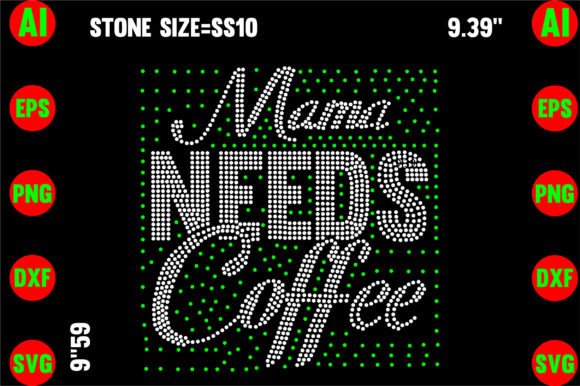
The first impression of this design is warm and inviting. It captures that cozy, caffeinated mood that resonates deeply with customers looking for personalized comfort. The layout suggests a blend of modern typography and decorative elements, which is a popular trend in current T-Shirt Designs. However, the term "Rhinestone" in the title requires careful interpretation for us stitchers. In the embroidery world, this often implies a design that mimics the sparkle of gems through high-contrast satin stitches or specific fill patterns, rather than actual physical stones. Understanding this distinction is crucial before you hoop your fabric.
Visual Appeal and Stitching Clarity
When I loaded the file into my editing software, I looked immediately at the stitch path and density. A design intended to look like rhinestones needs crisp edges and high definition. If the stitch density is too low, the "sparkle" effect gets lost, and the design looks flat. If it is too high, you risk creating a cardboard-like stiffness that ruins the drape of a garment. From what I can observe in the structure, this design relies heavily on clean lines and balanced spacing. This is excellent news for sweatshirt embroidery, where you want the design to stand out against a textured fleece background without sinking into the pile.
The visual personality of the Coffee Rhinestone Design leans towards boutique chic. It is not overly childish, nor is it strictly corporate. This versatility makes it a strong candidate for a variety of custom apparel items. I can easily envision this working on a canvas tote bag design for a local coffee shop, or as a cute accent on a nursery item for a caffeine-loving parent. The key to its success lies in the contrast. Because the design aims for a "bling" aesthetic, it performs best when paired with thread colors that pop against the background fabric. A metallic gold or silver thread could enhance the rhinestone illusion, while a stark white on dark navy creates a classic, high-end look.
Real-World Application: The Tote Bag Test
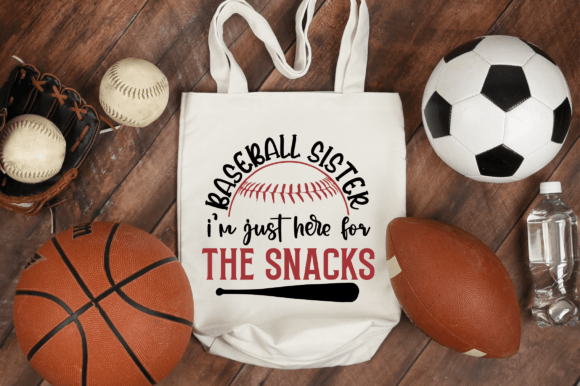
To give you a practical perspective, let’s walk through a real-life scenario. Imagine you are preparing a custom order for a client who wants a set of reusable grocery bags. You choose a heavy-weight cotton canvas. This is where the stabilizer choice becomes critical. For a design with potential dense areas or simulated gem effects, I always recommend a cut-away stabilizer for knits and a sturdy tear-away for wovens like canvas.
If you were to use this design on a curved surface, like a cap, you would need to be mindful of the hoop size and the design’s width. Large, wide designs can distort on curved seams. However, for flat surfaces like aprons, pillow covers, or kitchen towels, the Coffee Rhinestone Design should lay down beautifully. I particularly see potential here for holiday embroidery gifts. Think of a cozy winter mug rug or a personalized tea towel. The coffee theme is evergreen, but adding that touch of simulated glamour makes it feel special enough for gifting.
Navigating Fabric and Technical Constraints
While the design is versatile, it is not without its constraints. As a reviewer, I must point out where caution is needed. If you plan to use this on thin or stretchy fabrics, such as a lightweight rayon tee or a baby onesie, you must test extensively. The "rhinestone" effect likely involves shorter, denser stitches to create shine. On thin fabric, this can cause pulling or puckering if the tension is not perfectly calibrated.
For baby embroidery, comfort is paramount. Ensure that the back of the stitching is smooth and does not have rough jump stitches that could irritate sensitive skin. Using a soft backing or covering the back with a fusible interfacing can solve this. Additionally, if you are working with dark fabrics, remember that the design’s clarity depends on your thread colors. A mockup in black and white is a great way to check if the design holds its shape without relying on color contrast alone.
Another consideration is the file format. The product description mentions an SVG file for Cricut Explore and Silhouette Designer Edition, as well as a DXF file. It is important to note that SVG and DXF are typically vector files used for cutting machines, not native embroidery machine formats like PES, DST, or JEF. This suggests that the Coffee Rhinestone Design might be intended for heat transfer vinyl (HTV) application or perhaps as a template for manual embellishment, rather than direct machine stitching. If you are an Etsy seller planning to sell digital products, you must clarify this with your buyers. If you intend to embroider it, you may need to digitize the SVG into an embroidery file yourself, or confirm if additional embroidery-specific formats are included. Always check the license terms before using any design assets for commercial purposes.
Boosting Product Value and Brand Consistency
From a business standpoint, incorporating a well-executed design like this can significantly enhance the perceived value of your handmade product. Customers are drawn to details that look professional and thoughtful. A coffee-themed design with a touch of sparkle suggests a higher price point than a basic text-only embroidery. It helps in building brand consistency for small shop owners who specialize in cozy, lifestyle-oriented goods.
When creating printable mockups for your online store, ensure that the digital representation matches the stitched reality. Over-promising on the "shine" factor can lead to disappointed customers. Instead, highlight the texture and craftsmanship in your photos. Show close-ups of the stitches to demonstrate quality. This transparency builds trust and encourages repeat business.
Practical Designer Notes for Success
- Test on Scrap First: Never run a new design on your final garment without a test stitch-out. Check for thread breaks and tension issues.
- Check File Compatibility: Confirm if you have the correct embroidery file format for your machine. If only SVG/DXF is provided, prepare for digitizing or HTV application.
- Contrast is Key: Choose thread colors that maximize the visibility of the design details, especially if mimicking rhinestones.
- Stabilizer Selection: Match your stabilizer to your fabric weight. Heavier designs need more support to prevent distortion.
- Licensing Verification: Before selling finished items or commercial embroidery products, read the license agreement thoroughly to ensure compliance.
In conclusion, the Coffee Rhinestone Design offers a charming aesthetic that fits well within the current market for cozy, personalized goods. Whether you are creating a personalized gift for a friend or stocking your small shop product line, this design has the potential to shine. Just remember to respect the technical requirements of your materials and machines. With the right preparation, this graphic can become a standout feature in your portfolio of Graphics and embroidered goods.