Bee Honest Bee Design: A Practical Review for Embroidery Pros
As a designer who has spent countless hours digitizing patterns and testing them on everything from delicate silk to heavy canvas, I approach every new machine embroidery design with a mix of curiosity and skepticism. We have all been there: you download a file that looks stunning on the screen, only to find it turns into a tangled mess of thread once the needle hits the fabric. That is why I took a close, practical look at the Bee Honest Bee Design. This isn't just about whether it is cute; it is about whether it works in the real world of craft businesses and handmade products.
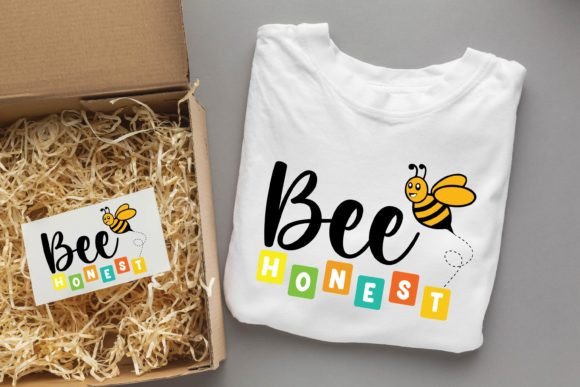
The first thing that strikes you about this design is its clarity. In an era where overly complex, dense graphics are common, this piece stands out for its balanced composition. The visual personality is warm and inviting, leaning into that rustic, farmhouse-chic aesthetic that continues to dominate the Etsy seller market. But beyond the mood, I was looking at the lines. Are they clean? Is the spacing adequate for actual stitching? From what I can see in the high-resolution preview, the layout suggests a design that respects the limitations of the hoop while maximizing visual impact.
Real-World Application: The Tote Bag Test
To truly evaluate an embroidery project, you have to imagine it on a specific product. I envisioned using this design on a natural cotton canvas tote bag. This is a staple item for any small shop product line. The "Bee Honest" theme pairs perfectly with eco-friendly messaging or local honey branding. When I mentally map the design onto the flat surface of a tote, the proportions seem ideal. It is large enough to be read from a distance but not so massive that it requires re-hooping or complex positioning.
The included files are a significant advantage here. Having a high-resolution JPEG and a print-ready PNG at 300 dpi means I can create professional printable mockup images for my online store before I even stitch a single thread. For digital product sellers, this is gold. You can show customers exactly how the finished product will look on a sweatshirt or a pillow cover without wasting expensive blank goods. The transparent background in the PNG file allows for seamless integration into various marketing materials, ensuring your brand consistency remains intact across social media and website listings.
Versatility Across Apparel and Home Decor
While I initially thought of tote bags, the versatility of this graphic extends further. Imagine this as sweatshirt embroidery on a heather grey crewneck. The contrast between the bright thread colors typically associated with bees—yellows, blacks, and whites—and the muted fabric would pop beautifully. It also works well for custom apparel aimed at teachers or gardeners, two demographics that love bee-themed motifs.
For those running a craft business, consider the home decor angle. A simple linen tea towel with this design stitched in the corner becomes an instant bestseller during the spring season. It transitions smoothly into holiday embroidery gifts for Easter or Mother’s Day. The key here is the simplicity of the shapes. Complex shading often gets lost on textured fabrics like terry cloth or waffle weave, but bold, clear lines hold up much better. This design appears to rely on strong outlines and solid fills, which is exactly what you want for items that will be washed frequently.
Navigating Fabric and Hoop Constraints
However, no design is perfect for every situation. There are areas where you need to exercise caution. If you are planning to use this on a curved surface, like a baseball cap, you must check the hoop size compatibility. Caps have limited flat space, and if the design is too wide, it will distort around the curve. Always measure your specific cap hoop before committing.
Similarly, consider the fabric texture. If you are stitching on a thin, stretchy jersey for a baby onesie, the stitch density becomes critical. While I cannot give you the exact stitch count without opening the native embroidery file, the visual complexity suggests a moderate density. This is generally good, but on stretchy fabrics, you must use a proper cut-away stabilizer to prevent puckering. On dark fabrics, ensure your thread colors have enough contrast. A black outline on a navy shirt might disappear, so you may need to adjust the color palette in your machine software to maintain visibility.
Another point of attention is the lettering. "Bee Honest" implies text. Small, intricate lettering can be tricky in embroidery. If the font is too thin, it may not fill properly, leaving gaps. If it is too thick, it can become stiff and uncomfortable against the skin. I recommend doing a test stitch on scrap fabric of the same type you intend to use for the final product. Check the corners of the letters and the tips of the bee wings. These are the high-risk areas for thread breaks or poor coverage.
Commercial Viability and Professional Presentation
From a business perspective, the quality of your design assets directly impacts customer trust. A blurry or pixelated image in your listing suggests a lack of professionalism. The fact that this product includes high-resolution source files (4500x5400 pixels at 300 dpi) means you can scale it for large format prints if you ever expand into sublimation or direct-to-garment printing. This flexibility adds value to your purchase.
For the commercial embroidery sector, having the SVG cut file included is a huge bonus. It allows you to create layered projects, such as an applique design where you cut fabric shapes and stitch over them, or to use the silhouette for vinyl heat transfers on items where embroidery isn't feasible. This multi-format approach supports a wider range of personalized gift options, allowing you to cater to different customer preferences without buying separate files.
Designer Notes for Best Results
- Test First: Always run a test on scrap fabric to check tension and density.
- Check Contrast: View the design in black and white to ensure the shapes are distinct without color reliance.
- Stabilizer Matters: Match your stabilizer to your fabric weight; lightweight fabrics need more support.
- Thread Selection: Use high-quality polyester or rayon threads for better sheen and durability.
- Licensing Check: Confirm the license terms for commercial use before selling finished items.
In conclusion, the Bee Honest Bee Design is a strong contender for your library of T-Shirt Designs and general Graphics. It balances aesthetic appeal with practical stitchability. It is not just a pretty picture; it is a functional tool for creating sellable, high-quality handmade goods. By understanding its strengths and respecting its limitations regarding fabric and hoop size, you can leverage this design to enhance your product line and delight your customers. Whether you are a hobbyist making gifts for friends or a seasoned pro supplying boutique stores, this design offers the reliability and charm needed to succeed in today's competitive market.