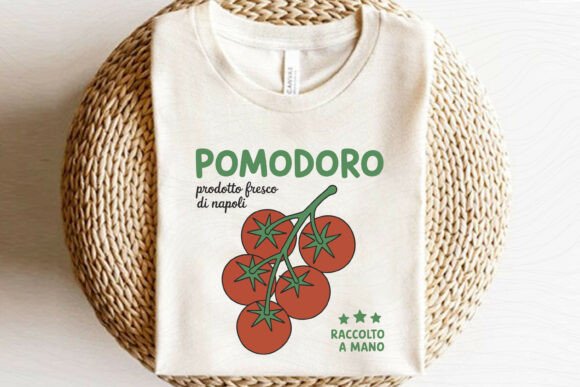
Reviewing the Tomato Trendy Hand Drawn Design for Embroidery
As a designer who spends half my life digitizing and the other half stitching, I have learned that not every graphic translates well to thread. When I first encountered the Tomato Trendy Hand Drawn PNG SVG Design, my immediate reaction was curiosity mixed with a healthy dose of skepticism. Hand-drawn aesthetics are incredibly popular in the world of T-Shirt Designs and digital Graphics, but bringing that organic, sketch-like quality into the structured world of embroidery requires careful consideration. I decided to put this design through its paces, evaluating it not just as a digital file, but as a tangible component of real-world handmade products.
First Impressions: Mood and Visual Personality
The first thing that strikes you about this design is its playful, approachable vibe. The "hand-drawn" label is accurate; the lines possess a natural irregularity that avoids the sterile perfection of vector geometry. For an embroidery project, this is a double-edged sword. On one hand, it adds character and warmth, making it ideal for personalized gifts and boutique branding. On the other hand, those irregular lines need to be interpreted correctly by your machine to avoid looking messy rather than artistic. The tomato motif itself is trendy, tapping into the current demand for cottagecore and kitchen-inspired decor. It feels fresh, youthful, and versatile, suitable for everything from a summer tote bag to a quirky apron.
Real-World Application: From Digital File to Stitched Product
To truly understand the value of this asset, I imagined several scenarios where I would use it in my own craft business. Let’s start with a classic: the canvas tote bag. A tote bag design needs to be bold enough to be seen from a distance but simple enough to stitch quickly. This tomato design fits that bill nicely. Because it is provided as both an SVG and a PNG, you have flexibility. If you are using it for print-on-demand or sublimation, the PNG is ready to go. However, for embroidery, you will likely need to digitize the SVG or use the PNG as a reference for auto-digitizing software, depending on your workflow.
I also considered this design for sweatshirt embroidery. Placed on the left chest of a crewneck, the tomato acts as a subtle yet charming accent. The organic shape complements the soft texture of fleece or cotton blends. For Etsy sellers looking to expand their small shop product lines, this could easily become a bestseller during the spring and summer seasons. It appeals to a broad demographic, from teenagers looking for trendy apparel to adults seeking unique kitchen textiles.
Considerations for Baby Items and Delicate Fabrics
When thinking about baby embroidery, such as on a onesie or a burp cloth, the scale becomes critical. The hand-drawn nature means there might be fine details that do not hold up well on small hoop sizes. If you plan to use this on infant clothing, I strongly advise scaling the design down carefully and checking the stitch density. You want to avoid a stiff, cardboard-like feel on delicate baby skin. Using a soft cut-away stabilizer and ensuring the thread colors are gentle pastels or classic reds and greens can enhance the appeal without compromising comfort.
Technical Performance and Stitching Clarity
Since the product description notes that you receive one SVG and one PNG file, it is important to clarify that these are not native embroidery files like PES or DST. This means you are working with design assets that require conversion or manual digitizing. For experienced designers, this is an opportunity to control the outcome. You can decide whether to use a satins stitch for the outlines to give them definition or a running stitch for a more sketch-like, delicate appearance. A fill stitch might be appropriate for the body of the tomato, but care must be taken to keep the density low to prevent puckering.
One major advantage of the hand-drawn style is that it forgives minor imperfections. Unlike geometric logos where a misaligned stitch is glaringly obvious, the organic lines of this tomato design blend naturally with the texture of the fabric. This makes it a forgiving choice for hobbyists who are still mastering their tension settings. However, you must pay attention to thread colors. A vibrant red against a white background offers high contrast and visual pop, while a muted terracotta on beige linen creates a sophisticated, understated look suitable for high-end home decor.
Where to Use Caution
While versatile, this design is not without its limitations. I would hesitate to use it on highly textured fabrics like thick terry cloth towels without significant adjustments. The fine details of the hand-drawn lines could get lost in the pile of the towel. Similarly, on stretchy fabrics like jersey knits, proper stabilization is non-negotiable. Without a good stabilizer, the design may distort, turning your cute tomato into an unrecognizable blob.
Curved surfaces, such as caps, present another challenge. The design’s layout needs to be centered perfectly to avoid wrapping awkwardly around the curve of the hat. If you are creating an embroidered patch to iron onto a jacket, however, this design shines. Patches allow you to stitch on stable twill fabric before application, ensuring crisp lines and professional results. This is a smart workaround for difficult garments.
Enhancing Brand Consistency and Customer Trust
For commercial embroidery professionals, consistency is key. Using a cohesive set of graphics helps build brand recognition. If your shop specializes in whimsical, hand-drawn aesthetics, this tomato design fits seamlessly into that narrative. It signals to customers that you care about artistic detail and trend-awareness. When presenting this in your online store, use high-quality printable mockup images to show how the design looks on various products. This helps buyers visualize the finished product and increases buyer engagement.
Moreover, the versatility of receiving both SVG and PNG formats allows you to offer hybrid products. You could sell a physical embroidered item and include a digital download of the PNG for the customer to use in their own crafts, adding value to your listing. Just be sure to check the licensing terms provided by the creator to confirm whether commercial use of the digital file itself is permitted, or if it is strictly for physical end products.
Practical Designer Notes for Best Results
- Test on Scrap Fabric: Always stitch out a test sample on the same type of fabric you intend to use for the final product. This helps you identify any issues with pull or push compensation.
- Check Contrast: View your design in black and white to ensure the lines are distinct and readable. If the details disappear in grayscale, they will likely get lost in stitching too.
- Stabilizer Selection: Match your stabilizer to your fabric. Use cut-away for knits and tear-away for woven fabrics to maintain the integrity of the hand-drawn lines.
- Hoop Size: Ensure the design fits comfortably within your hoop with adequate margin. Crowding the edges can lead to hooping marks and distortion.
- Digitizing Strategy: If converting the SVG yourself, consider simplifying some of the finer nodes to reduce stitch count and runtime, especially for smaller applications.
In conclusion, the Tomato Trendy Hand Drawn PNG SVG Design is a promising asset for designers who understand how to bridge the gap between digital graphics and textile art. It offers a trendy, human touch that resonates with modern consumers. By paying attention to fabric choice, stabilization, and stitch technique, you can transform this simple graphic into a high-value handmade product that stands out in a crowded market. Whether you are creating a holiday embroidery gift or stocking your Etsy seller shop with fresh inventory, this design provides a solid foundation for creative expression.