Reviewing Mom, Rhinestone Templates for Embroidery
As a designer who spends more time staring at stitch simulations than I care to admit, I have learned that not every digital asset translates well to thread. We often see beautiful Graphics online that look stunning on a screen but turn into a tangled mess under the needle. Recently, I took a close look at Mom, Rhinestone Templates Design.... to determine if it holds up in a real-world production environment. This is not just about aesthetics; it is about functionality, durability, and the final perceived value of the handmade product.
First Impressions and Visual Personality
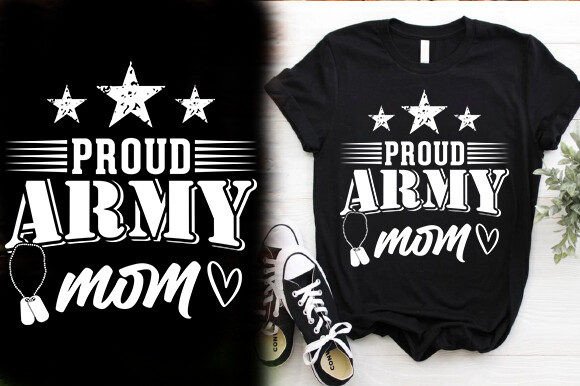
The first thing that strikes you about Mom, Rhinestone Templates Design.... is its bold, celebratory mood. It carries a distinct visual personality that screams affection and pride, making it an immediate candidate for gift-oriented projects. The layout appears balanced, with a structure that suggests it was created with versatility in mind. Since this is part of a LIMITED EDITION collection, there is an inherent sense of exclusivity that can be leveraged in marketing.
The design features clean lines and defined shapes, which are crucial when converting a concept into a machine embroidery design. In my initial assessment, the spacing between elements looks sufficient to prevent thread bunching, a common issue in dense typographic or illustrative works. The theme is universally appealing, targeting a massive demographic of crafters and buyers looking for meaningful personalized gifts.
Real-World Application: The Custom Sweatshirt Test
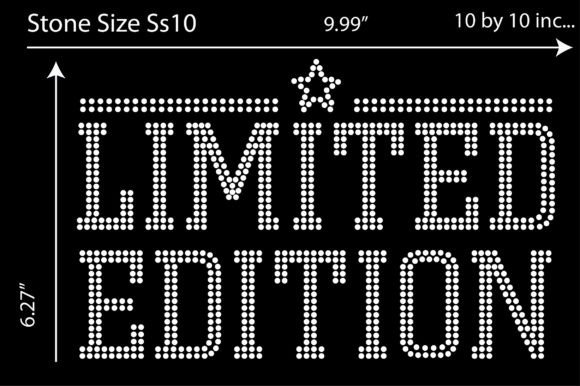
To truly evaluate Mom, Rhinestone Templates Design...., I imagined applying it to a high-quality, heavyweight cotton sweatshirt. This is a staple item for any Etsy seller or small shop product line. The 10 by 10 inch file size provided in the package is generous. It allows for a large, statement piece on the back of a hoodie or a prominent chest placement on a crewneck.
When visualizing the stitching, I considered how the "rhinestone" aspect of the template would translate. In embroidery, we often simulate sparkle using high-sheen rayon threads or metallic variations. If this design is intended to be paired with actual rhinestones, the template serves as a precise guide for placement. If it is purely embroidered, the design relies on satin stitch borders and potentially fill stitch interiors to create depth. The clarity of the vector files included—specifically the svg file 300dpi and dxf file 300dpi—means that resizing for different garment areas should remain crisp without pixelation, assuming the digitizer maintains proper stitch density.
Versatility Across Product Lines
Beyond apparel, this design shows promise in home decor and accessories. Imagine this stitched onto a canvas tote bag design. The sturdy fabric of a tote can handle higher stitch density, allowing the design to pop with vibrant thread colors. It would also work beautifully on kitchen textiles, such as a flour sack towel for a Mother’s Day promotion. Here, a lighter touch with running stitch details might be preferable to keep the fabric soft and absorbent.
For those running a craft business, versatility is key. This asset fits neatly into categories like holiday embroidery for Mother’s Day, birthday gifts, or even baby showers if the color palette is adjusted. The transparent png 300ppi included in the pack is particularly useful for creating printable mockup images for your online store before you even stitch a single thread. This saves time and helps customers visualize the finished product on various backgrounds.
Technical Considerations and Fabric Constraints
While the design is robust, there are areas where caution is necessary. Embroidery is a physical medium, and fabric texture plays a huge role in the outcome. If you are stitching on stretchy fabrics like jersey knits for baby embroidery items, proper stabilization is non-negotiable. Without a cut-away stabilizer, the tension from the stitches could cause the fabric to pucker, distorting the clean lines of the template.
Additionally, consider the hoop size. While the file is 10 by 10 inches, not all machines accommodate this maximum area. Always check your machine’s capabilities. If you are scaling the design down for a cap or a small embroidered patch, be mindful of tiny details. Small text or intricate corners can become lost if the stitch count is too high for the reduced size. In such cases, simplifying the design or removing fine applique design elements might be necessary to maintain clarity.
Dark fabrics present another challenge. If you are stitching on black or navy, ensure your thread colors have enough contrast. A custom apparel piece loses its impact if the design blends into the background. I recommend testing the design on scrap fabric first, especially when experimenting with new thread combinations or stabilizers.
Commercial Value and Brand Consistency
For commercial embroidery professionals, the quality of your digital assets reflects directly on your brand. Using a well-structured template like Mom, Rhinestone Templates Design.... can enhance customer trust. It signals professionalism and attention to detail. When buyers see a clean, well-executed design, they perceive higher value, which can justify premium pricing.
The inclusion of multiple file formats—jpg 300dpi, eps 300dpi, and ai 300dpi—suggests that this package is designed for both digital and physical use. This is a significant advantage for digital product sellers who might want to offer sublimation prints alongside embroidered goods. However, always confirm licensing terms. Just because you have the files does not automatically grant unlimited commercial rights. Verify whether the license covers mass production or if it is limited to small batch handmade products.
Practical Designer Notes for Execution
Before launching this design in your T-Shirt Designs collection or boutique lineup, follow these practical steps:
- Test on Scrap Fabric: Never stitch directly on the final garment. Use a similar fabric weight and type to check for puckering or thread breaks.
- Check Thread Contrast: View your design in black and white to ensure the shapes are distinct. If it looks muddy in grayscale, it will look unclear in thread.
- Review Stitch Density: If you are digitizing this yourself from the vector files, avoid excessive overlap. High density leads to stiffness and potential needle damage.
- Confirm Hoop Size: Ensure the 10 by 10 inch dimensions fit your largest hoop, or plan to scale it down appropriately for smaller items like caps.
- Inspect Small Details: Zoom in on the svg file 300dpi to check for stray nodes or open paths that could cause stitching errors.
- Use Proper Stabilizer: Match the stabilizer to the fabric. Cut-away for knits, tear-away for wovens, and wash-away for delicate or textured materials.
- Verify Licensing: Double-check the usage rights for the LIMITED EDITION status to ensure compliance with your sales model.
Final Verdict
Mom, Rhinestone Templates Design.... is a strong contender for designers looking to expand their gift-oriented inventory. It offers the flexibility needed for various embroidery project types, from sweatshirt embroidery to home decor. Its success, however, depends on the executor’s ability to manage technical variables like tension, stabilization, and thread selection. When handled with care, this design can become a bestseller in your small business merchandise lineup, offering both emotional resonance and visual appeal.